
Definición de una ética del cuidado en el trabajo de campo: Reflexiones sobre el giro digital
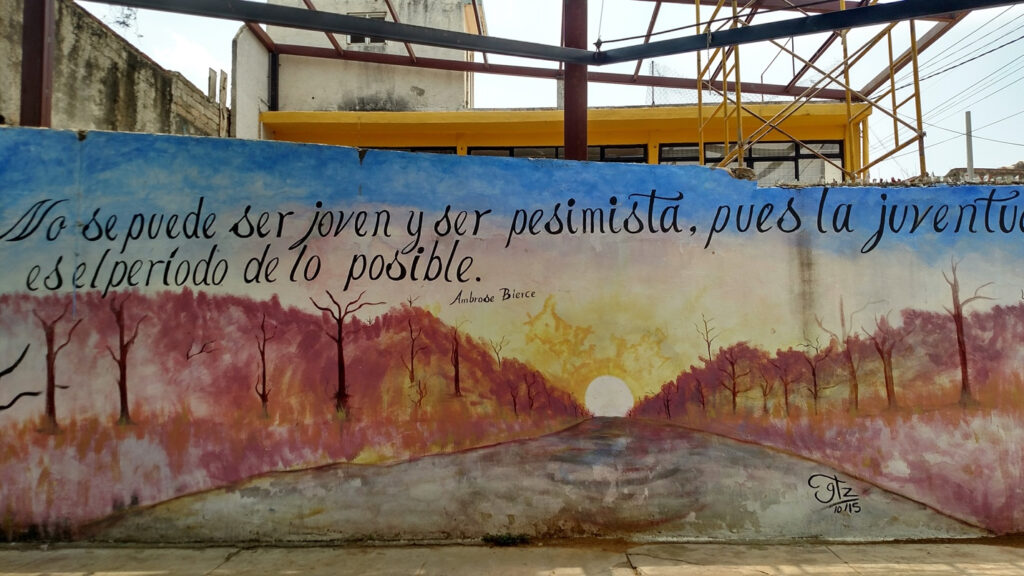
Tengo una confesión que hacer. Había estado evitando escribir esta publicación por un largo tiempo, porque secretamente, me preocupa que lo que tengo que decir sobre el trabajo de campo digital sea desalentador, inútil o parezca.Pero como etnógrafo político comprometido con la transparencia y la apertura reflexiva, sé que tenemos que hablar de posicionalidad y […]
Defining an Ethics of Care in Fieldwork: Reflections on the Digital Turn
I have a confession to make. I have been avoiding writing this post for a long time, because secretly, I worry that what I have to say about digital fieldwork will be discouraging, unhelpful, or come off as snobbish. But as a political ethnographer committed to transparency and reflective openness, I know we have to […]
Limits of control: Balancing convenience and security in digital field research
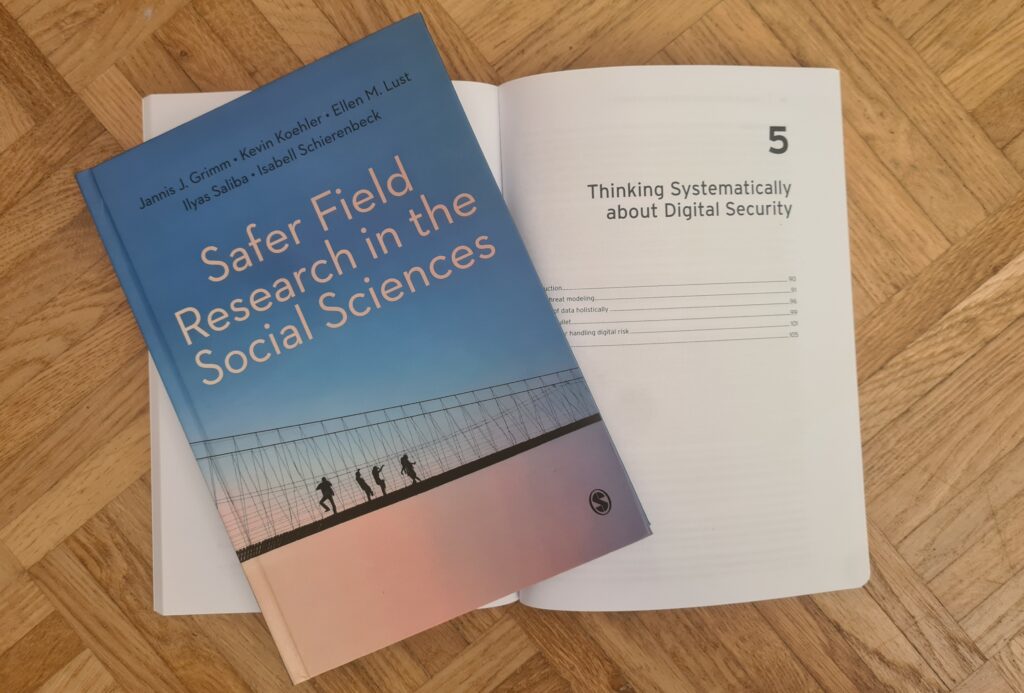
Critical junctures such as the Covid-19 pandemic can disrupt hitherto unquestioned modes of research and thereby offer researchers a chance to break new ground. In fact, driven by the need to adapt, within a span of two years, some social scientists have gotten accustomed to an entirely new (and largely digital) research ecology full of […]
Facilitating and Producing Research during the COVID-19 Pandemic: Lessons Learned
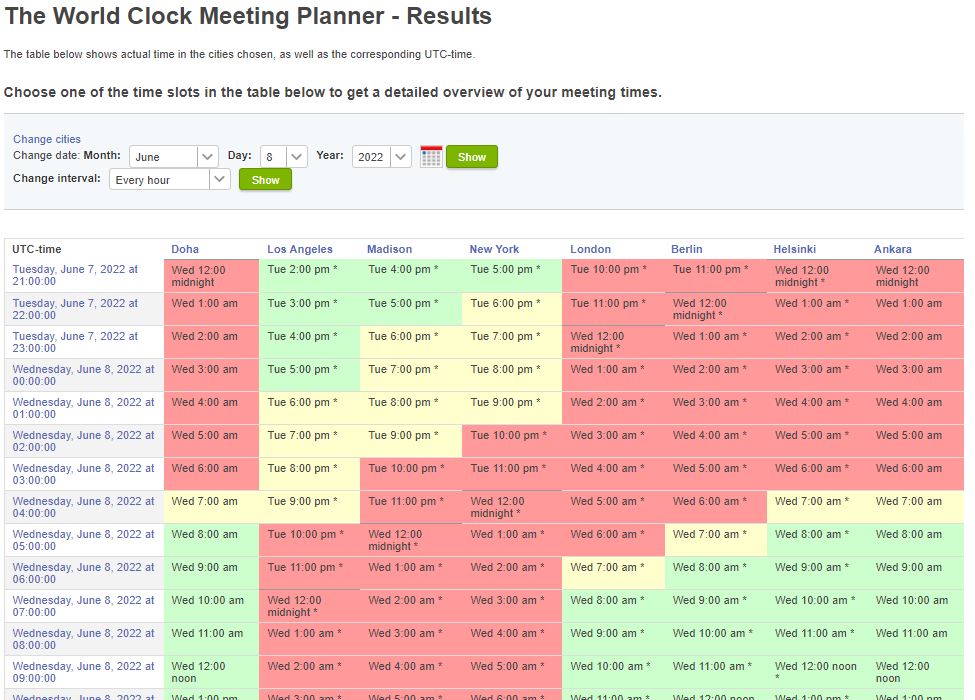
Tips for Hosting Virtual Research Workshops The Center for International and Regional Studies (CIRS) at Georgetown University-Qatar (GU-Q) is a research center that facilitates and produces research primarily on the Middle East and Persian Gulf. One of the core goals of the CIRS research mission is to facilitate the free flow of ideas and knowledge […]
Digital Fieldwork: Lessons Learned from Afghanistan
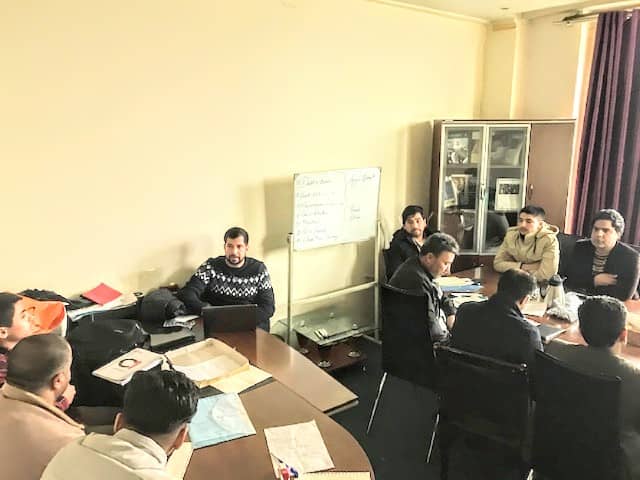
I arrived in Kabul, Afghanistan, on January 1st, 2020, to conduct two rounds of survey, studying the relationship between violence and religiosity. It was such a euphoric moment for me.
Digital Fieldwork with City Officials in the US and UK
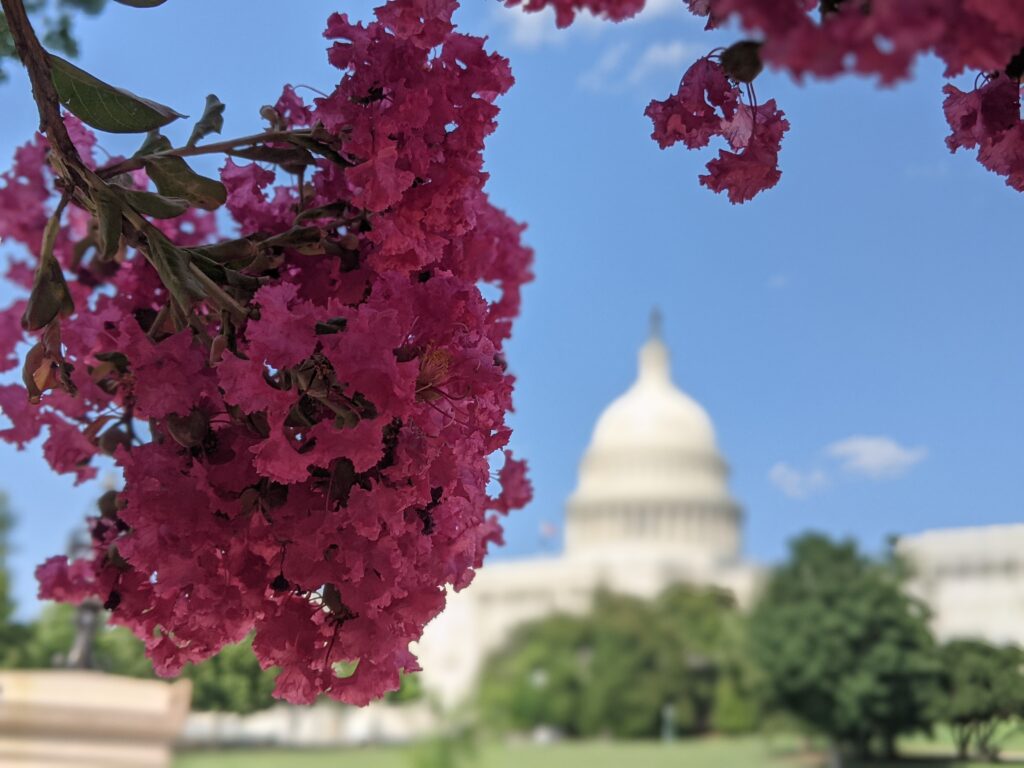
My research explores environmental sustainability in cities, and smart cities. My dissertation focuses on four cities – Washington D.C. and Boston in the U.S., and Leeds and Bristol in the UK – which I examine on two fronts.
Building Community in Digital Fieldwork

Like many research programs that rely on ethnographic fieldwork, traditional sociolinguistic research relies heavily on researchers building rapport with participants by spending time in their communities and sitting down with them in person to audio-record informal conversations.
The Anxieties of Disrupted Fieldwork: Reconciling Practicality and Passion in Redesigning a Research Plan
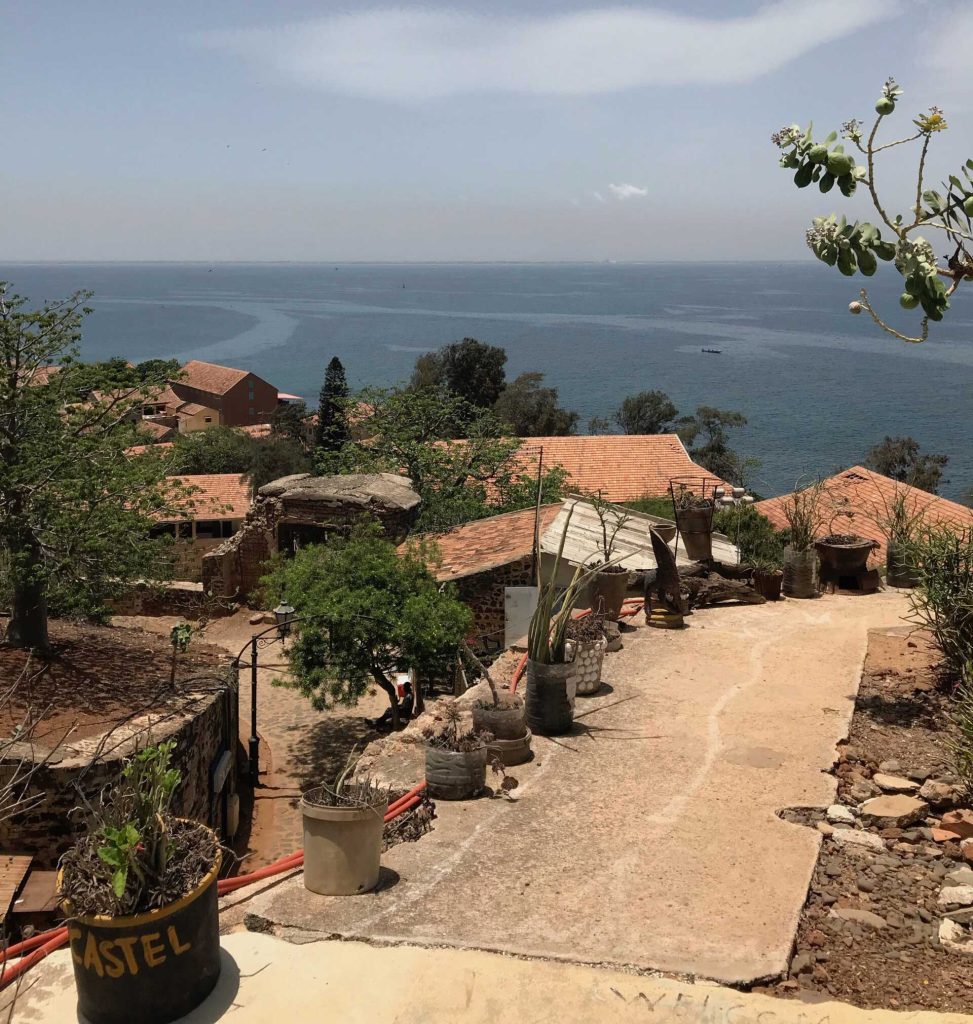
Many scholars often face significant logistical and empirical limitations on the “best case scenario” execution of their research projects. Both progress and setbacks are inherent parts of the research process.
Collecting Panel Survey Data Around an Africa Cup Match Using Facebook

As graduate students, we first met each other and became friends in Tanzania, working on our dissertations. We were conducting focus groups, collecting administrative data, and experimentally assessing programs.
Virtual Trust: Building Confidence at a Distance
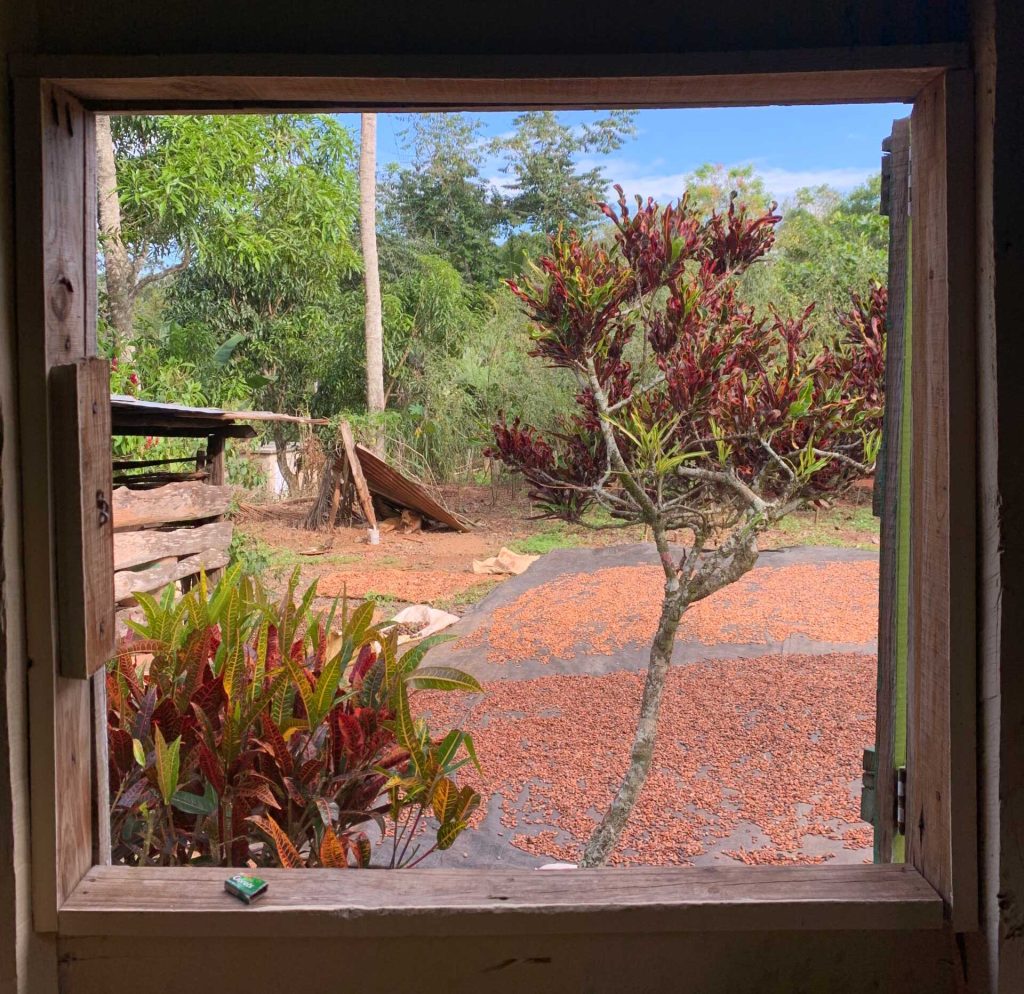
So much of what we do as researchers relies on a foundation of trust built over time with the communities where we carry out research activities. When mutual trust is present, we are invited into the lives, minds, and networks of our research participants, which helps animate our research questions.